Wakame Salad (Japanese Cucumber Seaweed Salad)
This refreshing Japanese wakame salad combines silky rehydrated seaweed and crisp cucumber in a tangy sesame dressing, ready in just 15 minutes and perfect as a healthy vegan appetizer.

The Japanese Seaweed Salad You Will Make on Repeat
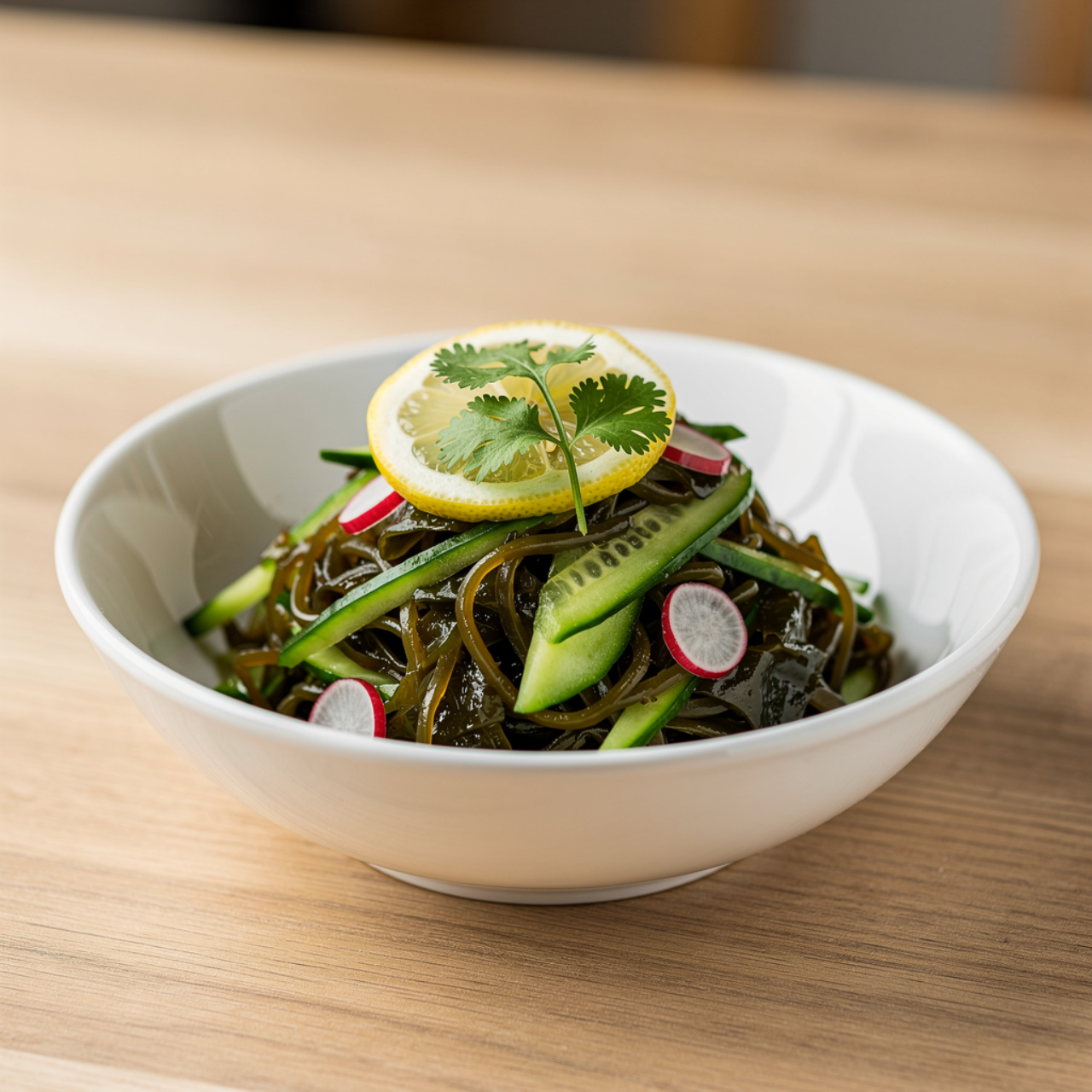
If you have ever sat down at a Japanese restaurant and found yourself quietly obsessed with that glistening, jade-green seaweed salad served alongside your sushi, you are in exactly the right place. This wakame salad is the real thing: silky ribbons of rehydrated seaweed, paper-thin slices of crisp cucumber, and a sesame-ginger dressing with just the right balance of tangy, savory, and sweet. It is a healthy Japanese seaweed salad that comes together in about 15 minutes with no cooking required whatsoever.
This is the kind of dish that feels effortlessly impressive. Serve it as a starter before a Japanese meal with seaweed salad alongside miso soup and edamame, or plate it as a light lunch on its own. Either way, people always ask for the recipe.
What Is Wakame?
Wakame is a type of edible seaweed used widely in Japanese and Korean cooking. You will find it floating in miso soup, layered into rice bowls, and starring in this classic cucumber seaweed salad. Dried wakame is the form you are most likely to find at the grocery store, and it rehydrates beautifully in cold water within about 10 minutes, expanding to many times its original size.
Beyond its mild, slightly briny flavor and satisfying tender-chewy texture, wakame brings a genuinely impressive nutritional profile: it is rich in iodine, magnesium, folate, and a compound called fucoxanthin, which has been studied for its antioxidant properties. A healthy Japanese seaweed salad truly earns the word healthy.
Chef's Tip: Always rehydrate wakame in cold water, not hot. Hot water can make it slimy and mushy rather than silky and springy.
Building the Perfect Dressing
The dressing is where this salad earns its soul. A classic seaweed and cucumber sunomono salad dressing is built on rice vinegar for brightness, soy sauce for depth, toasted sesame oil for that nutty warmth, a touch of sugar to balance the acidity, and fresh ginger and garlic for a gentle kick. Whisked together, these six ingredients create something that tastes far more complex than the sum of its parts.
For a spicy cucumber and seaweed salad, a pinch of red pepper flakes stirred into the dressing is all you need. It adds a subtle, slow heat that plays beautifully against the cool cucumber.
Using quality ingredients makes a noticeable difference in a dressing this simple. A good toasted sesame oil and an unseasoned rice vinegar will take the flavor from fine to exceptional.
Having a reliable mandoline and a fine microplane grater on hand makes slicing the cucumber wafer-thin and grating fresh ginger effortless. These are the tools that genuinely elevate simple Japanese food with seaweed from good to great.
Cucumber Tips for the Best Texture
For an authentic how to make cucumber seaweed salad experience, the cucumber choice matters. Persian cucumbers or Japanese cucumbers are ideal: thin-skinned, nearly seedless, and wonderfully crisp. English cucumbers work in a pinch. Whatever you use, slice them thin and salt them briefly before adding to the salad. This small step draws out excess water so your dressing does not get diluted, keeping every bite clean and flavorful.
This is the same technique used in a traditional seaweed and cucumber sunomono salad, where sunomono literally means "vinegared things." Simple, intentional, and absolutely delicious.
Ready to bring it all together? Here is the full recipe:
Wakame Salad (Japanese Cucumber Seaweed Salad)
This refreshing Japanese wakame salad combines silky rehydrated seaweed and crisp cucumber in a tangy sesame dressing, ready in just 15 minutes and perfect as a healthy vegan appetizer.
Ingredients
- 1/2 oz dried wakame seaweed, rehydrated in cold water for 10 minutes, then drained
- 2 Persian or Japanese cucumber, thinly sliced into rounds
- 3 tbsp rice vinegar, unseasoned preferred
- 2 tbsp soy sauce, use tamari for gluten-free
- 1 tbsp sesame oil, toasted
- 1 tsp granulated sugar, or substitute with honey or maple syrup
- 1 tsp fresh ginger, finely grated
- 1 clove garlic, finely minced or grated
- 1/4 tsp red pepper flakes, optional, for a spicy cucumber and seaweed salad
- 1 tbsp toasted sesame seeds, plus extra for garnish
- 2 green onions, thinly sliced
- 1/2 tsp fine sea salt, for salting the cucumber
Instruction
Place the dried wakame in a bowl of cold water and let it rehydrate for 8 to 10 minutes. It will expand significantly. Drain well, gently squeeze out excess water, and if any pieces are very long, cut them into bite-sized lengths.
While the wakame soaks, slice the cucumbers into thin rounds, about 1/8 inch thick. Place them in a colander, sprinkle with the sea salt, toss, and let them sit for 5 minutes to draw out excess moisture. Rinse briefly and pat dry with paper towels.
In a small bowl, whisk together the rice vinegar, soy sauce, sesame oil, sugar, grated ginger, and minced garlic until the sugar dissolves completely. Taste and adjust the balance of sweet, salty, and tangy to your liking.
Combine the drained wakame and cucumber in a large mixing bowl. Pour the dressing over and toss gently to coat everything evenly.
Add the sliced green onions and toasted sesame seeds and toss once more. If adding red pepper flakes for a spicy version, mix them in now.
Taste for seasoning and adjust with a small splash more rice vinegar or soy sauce if needed. Serve immediately, or refrigerate for up to 30 minutes to let the flavors meld. Garnish with extra sesame seeds before serving.
Equipment
- Large mixing bowl
- Small mixing bowl
- Whisk
- Colander or fine mesh strainer
- Mandoline or sharp knife
- Microplane or fine grater
Notes
Serving and Storing Your Wakame Salad
Serve this Korean seaweed salad or Japanese-style version immediately after tossing, piled into small bowls and finished with a flourish of extra sesame seeds and sliced green onion. It fits beautifully as part of a larger spread alongside steamed rice, grilled fish, or tofu.
If you are meal prepping, keep the dressing in a jar and the wakame and cucumber separate in the fridge. Combine everything 20 to 30 minutes before serving for the freshest result. Leftovers keep for up to one day, though the cucumbers will soften slightly.
However you serve it, this healthy Japanese seaweed salad is the kind of recipe that quietly becomes a staple, simple enough for a Tuesday night and elegant enough for company.